César Maldonado
-
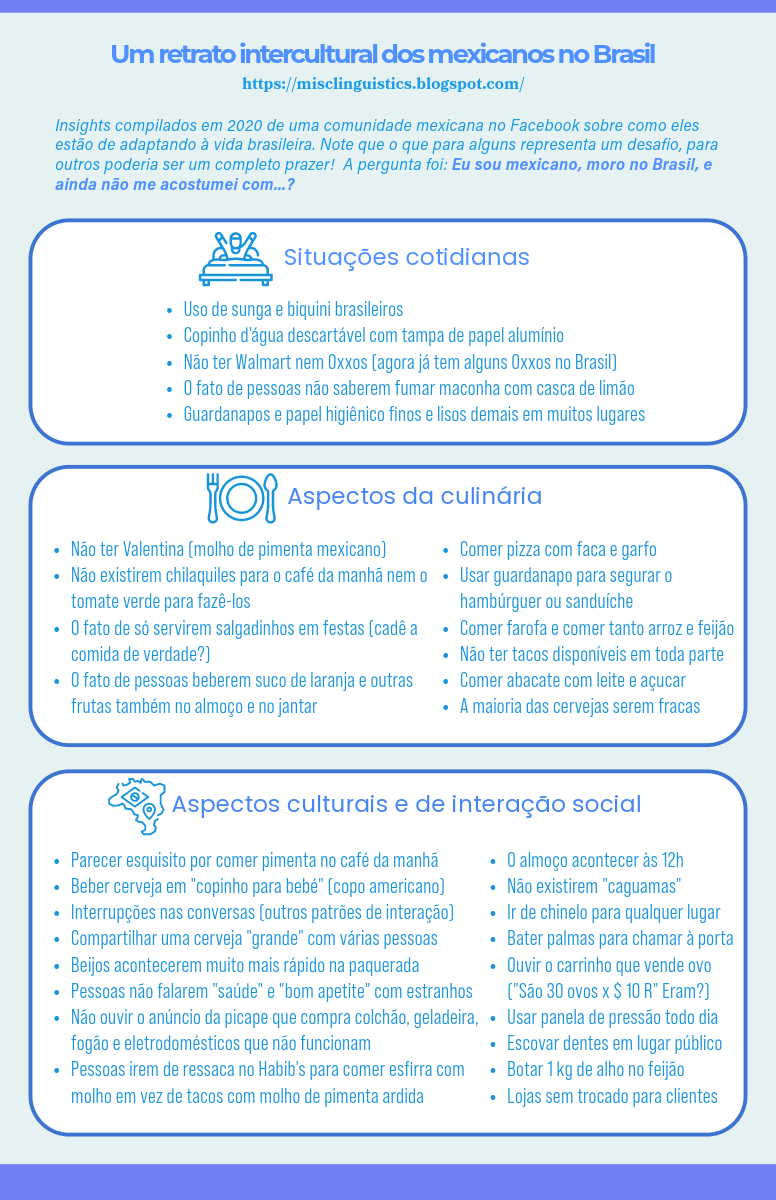
Mexicanos no Brasil
Eu não moro no Brasil, mas já estive nesse belo país tantas vezes que me sinto muito à vontade para dar minha opinião. Amo a comida e a camaradagem do povo brasileiro, mas ainda não consigo me acostumar com purê… Continue reading
-
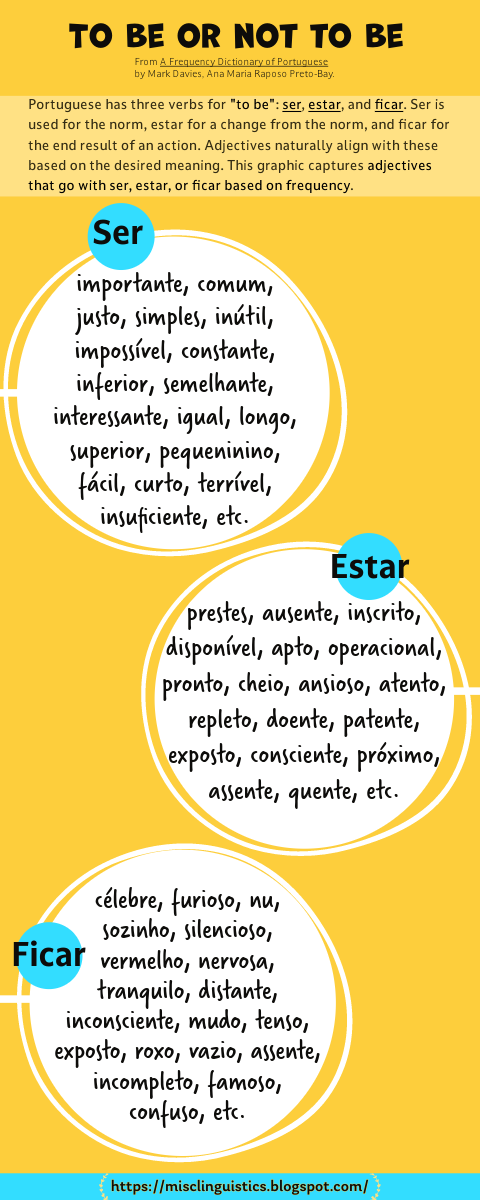
Ser ou não ser – To Be in Portuguese
[Bajar para español] —————————————- Continue reading
-
Cuando el español se cuela en tu inglés
Como hispanohablantes, nuestro aprendizaje del inglés sigue patrones que a veces ayudan, pero también generan transferencias negativas. Por ejemplo, omitimos palabras: “Today [it] is raining”, “She is [a] teacher”, “Explain [to] me what you said”. También confundimos estructuras: “I am… Continue reading

-
Pronuncia el pasado en inglés con confianza
¿Te has preguntado, alguna vez, si el verbo «worked» se pronuncia “wórk-[ɪd]” con dos sílabas o “worked” con una sola? Entonces esto es para ti. Hoy veremos un truco sencillo para saber pronunciar adecuadamente los verbos regulares en inglés en… Continue reading

-
¿La voy a ver o voy a verla?
[Bajar para español] In Spanish, «desplazamiento de clíticos» (clitic climbing) involves the movement of clitics, particularly with auxiliary and auxiliary-like verbs. For instance, «quiero verte» (I want to see you) can shift to «TE quiero ver,» where «te» is a direct… Continue reading

-
The Subjunctive Isn’t About Time (and That’s the Problem)
The subjunctive mood in Spanish expresses doubt, subjectivity, uncertainty, and hypothetical situations. It allows speakers to step outside of fact and into interpretation, adding nuance when talking about feelings, desires, reactions, or possibilities. Understanding how it works is essential for achieving fluency and… Continue reading

-
Conjunctions ‘Y’ and ‘O’ in Disguise
[Bajar para español.] The Spanish language, like many others, is a treasure trove of rules and exceptions that sometimes leave even its most seasoned speakers bewildered. One such linguistic quirk involves the conjunctions ‘y’ and ‘o,’ which take on different… Continue reading

-
Practice Portuguese and Spanish with ChatGPT
[Bajar para español] —————————- —————————- I recently joined a webinar by participants of the Language Flagship Program, a US initiative sponsored by the National Security Education Program (NSEP) and implemented in partnership with my organization. It offers intensive language education… Continue reading

-
Decoding Ser and Estar
[Bajar para español] See other topics that can be challenging for English-speaking learners, here. In Spanish, two crucial verbs, ser and estar, both translate to «to be» in English but serve different purposes. Understanding the distinction between them is essential… Continue reading

-
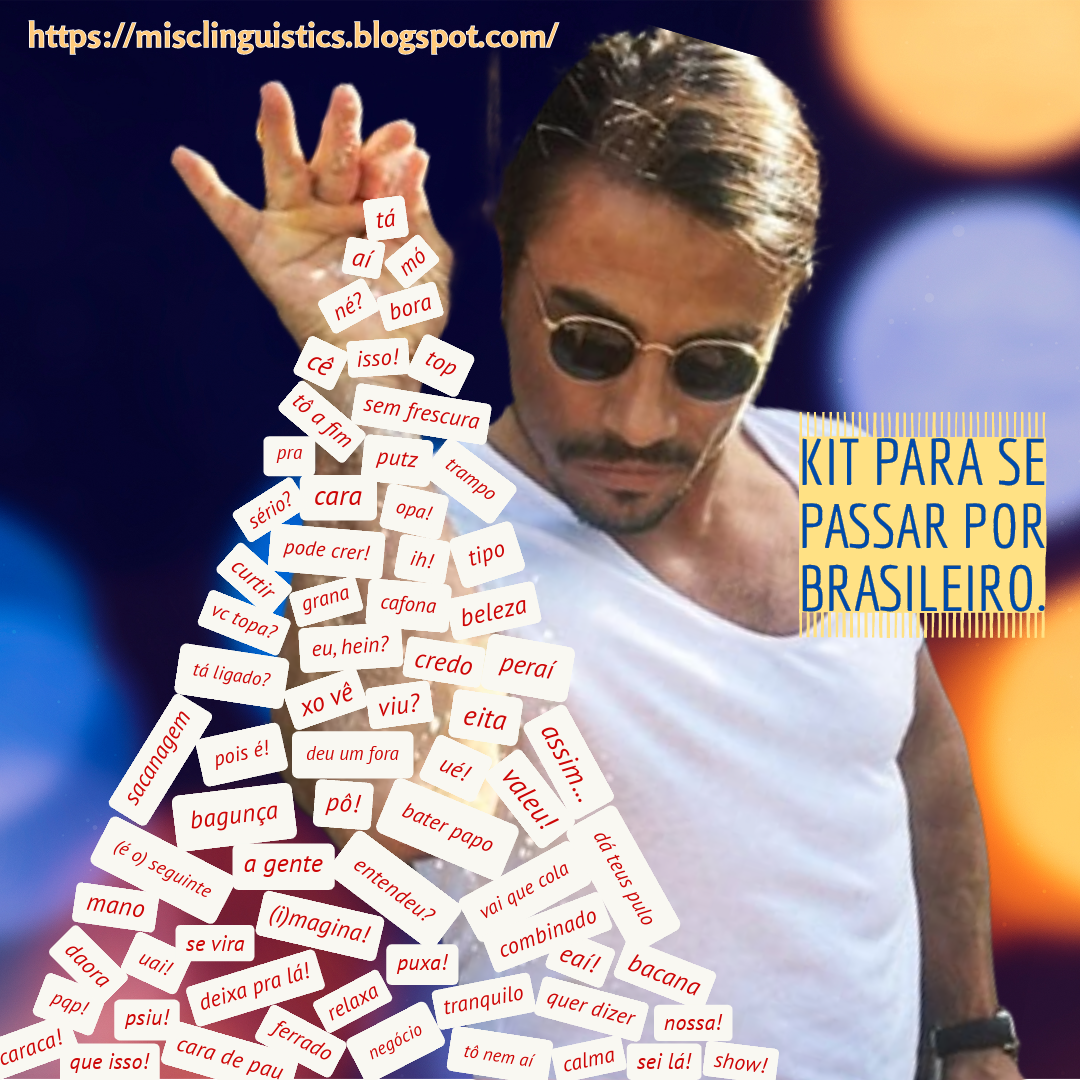
Kit para se passar por brasileiro
[Contenido en portugués – Content in Portuguese] ¿Ya conocías estas palabras o expresiones brasileñas? ¿Cuáles serían los equivalentes en español? Você é brasileiro e está aprendendo espanhol? Veja o gráfico com erros que falantes de português cometem aprendendo espanhol. Continue reading
-
Quebrando mitos do «certo» ou «errado»
[Contenido en portugués – Content in Portuguese] [Bajar para español] Muitos de nós já nos perguntamos se uma frase está «certa» ou «errada» do ponto de vista da gramática. No entanto, a resposta não é tão simples quanto parece. Como… Continue reading

-
¡Evita estos 3 errores para sonar más brasileño!
Para ver una lista de 12 errores comunes en portugués, clic aquí. Si estás en una computadora de escritorio, haz clic derecho para abrir la imagen en otra pestaña y visualizarla en la mayor resolución posible. Continue reading

-
Redundancias y pleonasmos
Hablemos de redundancias y pleonasmos. Todas las lenguas los tienen y, aunque algunos especialistas distinguen el pleonasmo como una figura retórica y la redundancia —de manera tradicional— como un supuesto “vicio del lenguaje”, en la práctica ambos términos suelen emplearse… Continue reading

-
The Relationship Between Town Hall, Subjuntive and Sex
[Bajar para español] Language connects us to history, and many Spanish words trace their origins back to Latin. A prime example I’d like to highlight today is ayuntamiento (city hall) and the suffix -miento, found in words like conocimiento (knowledge) and sufrimiento (suffering). Both reflect the inheritance… Continue reading

-
Spanish Jugar and English Joke
As language learners, we often come across fascinating quirks and intricacies of the languages we study. One such example is the Spanish verb «jugar,» which holds a special place in the Spanish language. Did you know that «jugar» (yo juego,… Continue reading

-
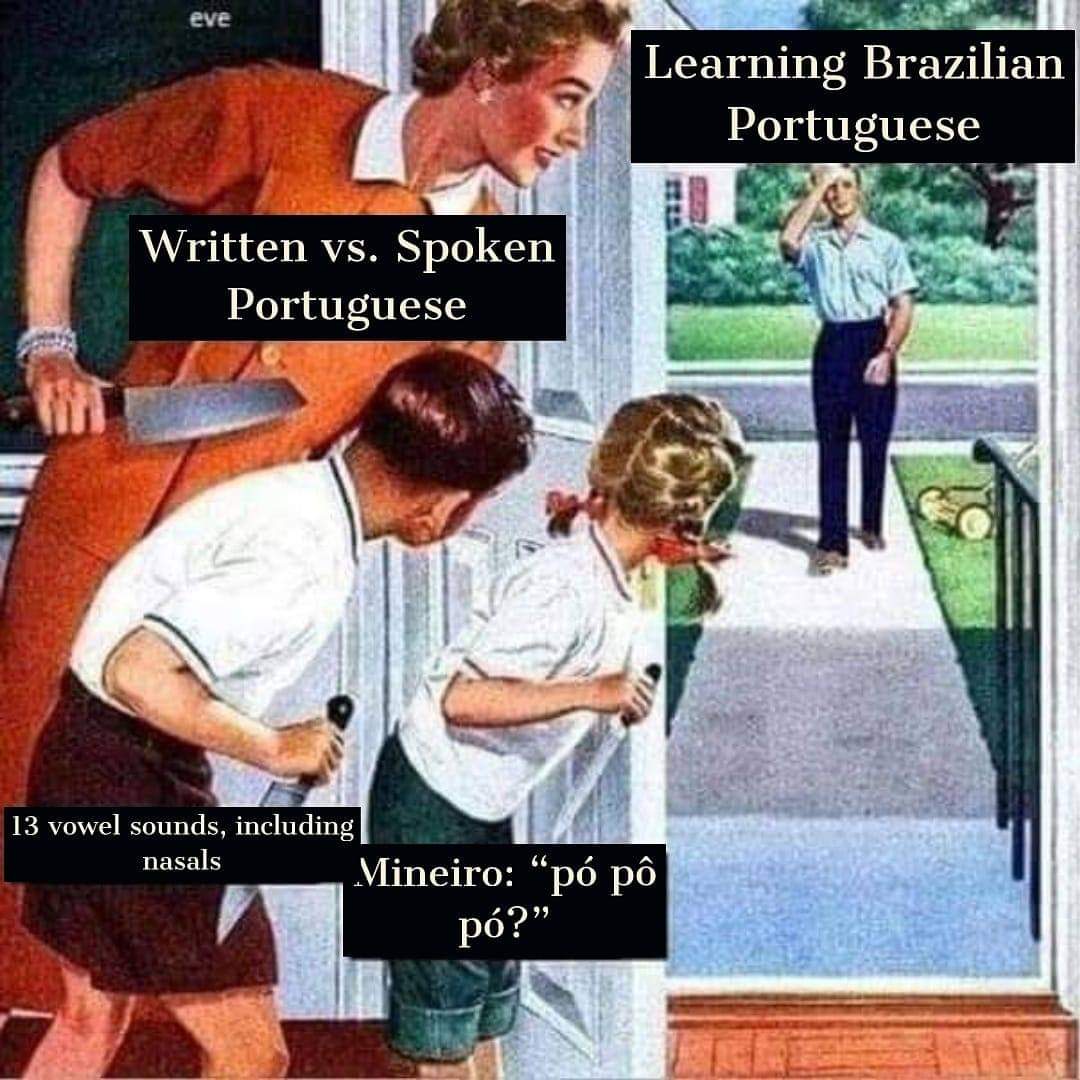
World Portuguese Language Day
[Contenido en portugués – Content in Portuguese] [For English, see below.] Hoje é o Dia Mundial da Língua Portuguesa A data de 5 de maio foi oficialmente estabelecida em 2009 pela Comunidade dos Países de Língua Portuguesa (CPLP) – uma… Continue reading
-
Say More with Less: The Power of «Se»
[Para español, ver abajo.] This article explores a subtle yet powerful feature in Spanish grammar—aspectual se. It adds nuance and naturalness, helping you sound more like a native speaker. Aspectual se uses reflexive pronouns (me, te, se, nos, os) with… Continue reading

-
¿El agua o la agua?
[For English, see below] ¿Sabías que en español existe un artículo femenino especial para palabras que comienzan con el sonido /a/ tónico como “el agua” “el hacha”, y “el águila«? Aunque hoy es un vestigio del pasado, en castellano medieval era una práctica común llamada elisión. Un… Continue reading

-
From le lo to se lo in Spanish
[Bajar para español] Spanish, like all languages, evolves. Sometimes those changes are subtle — even invisible — yet they reshape the way we speak. One of the most fascinating examples is how le(s) (the indirect object pronoun) gradually became se… Continue reading

-
‘Pluma’, ‘Pen’, and ‘Feather’: A Shared Origin
[Défiler vers le bas pour la version en français] In Latin, a «feather» was known by two names: penna and pluma. As many of you know, «pluma» for pen may not work in many Spanish-speaking countries. Other words used in… Continue reading

-
One Clock, Two Grammars
Why do we say «es la una» but «son las dos» in Spanish… and yet in English everything collapses into “it’s one”, “it’s two”? It seems like a small inconsistency, but it raises a better question: what is each language… Continue reading

-
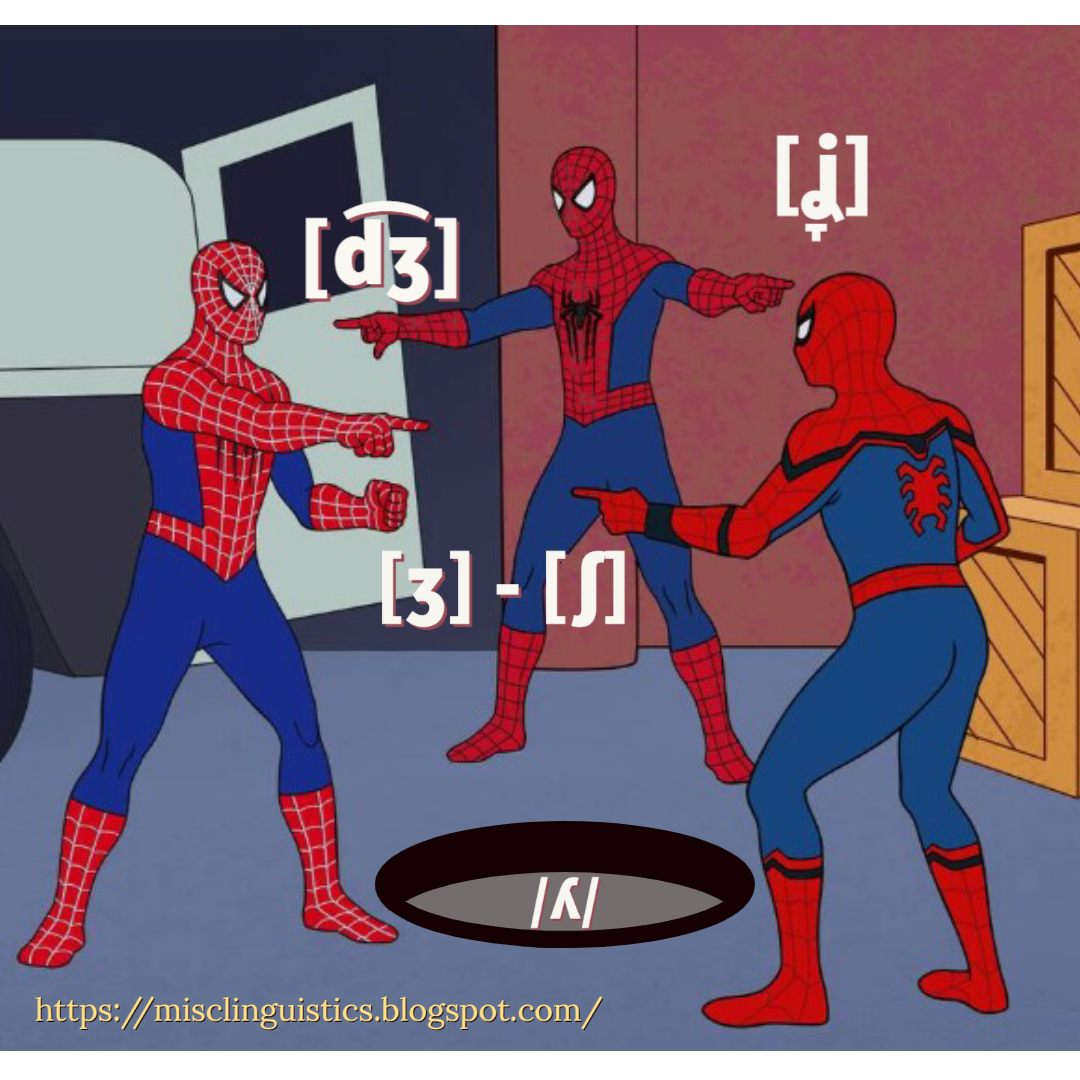
«Y» and «LL» Sounds Explained
[Bajar para español] This article has clickable sound files. Historically, Spanish distinguished between «y» and «ll». This contrast survives in some highland Andean areas (all of Bolivia, parts of Peru, Ecuador, Colombia, Chile, Argentina), in Guaraní-influenced areas like Paraguay, in… Continue reading
-
«Viniste-vinites» e implicaciones sociales
Hoy quiero compartir una conversación en Facebook donde mencioné que «veniste(s)» es tan común como la forma normativa «viniste». Un amigo bromeó diciendo que él usaba «vinites», pues sonaba más «elegante» y «vistosa. Esto me lleva a hablar sobre la… Continue reading

-
Missing L in Portuguese Explained
[Contenido en portugués – Content in Portuguese] [Para español, ver abajo.] To learn more about the loss of intervocalic -n-, also a unique characteristic of Portuguese, please see this entry. To see the most frequent mistakes when learning Portuguese, click here. ————————————- El enigma… Continue reading

-
Mistakes When Learning Brazilian Portuguese
For frequent mistakes in Spanish, click here. If you’re on your browser, open the below image in a separate tab for best resolution. Another frequent mistake by Portuguese language learners is the formation of plurals with words ending in -l – click the… Continue reading