portuguese
-
Cuando las palabras cambian de equipo
La gramática nunca fue un conjunto de reglas «neutras». Lo que hoy consideramos «correcto» muchas veces fue decidido por autoridades —reyes, academias, élites— que impusieron sus normas como símbolo de prestigio. Como recordaba Bourdieu, la lengua también es capital simbólico:… Continue reading

-
Lesser-Known Romance Languages
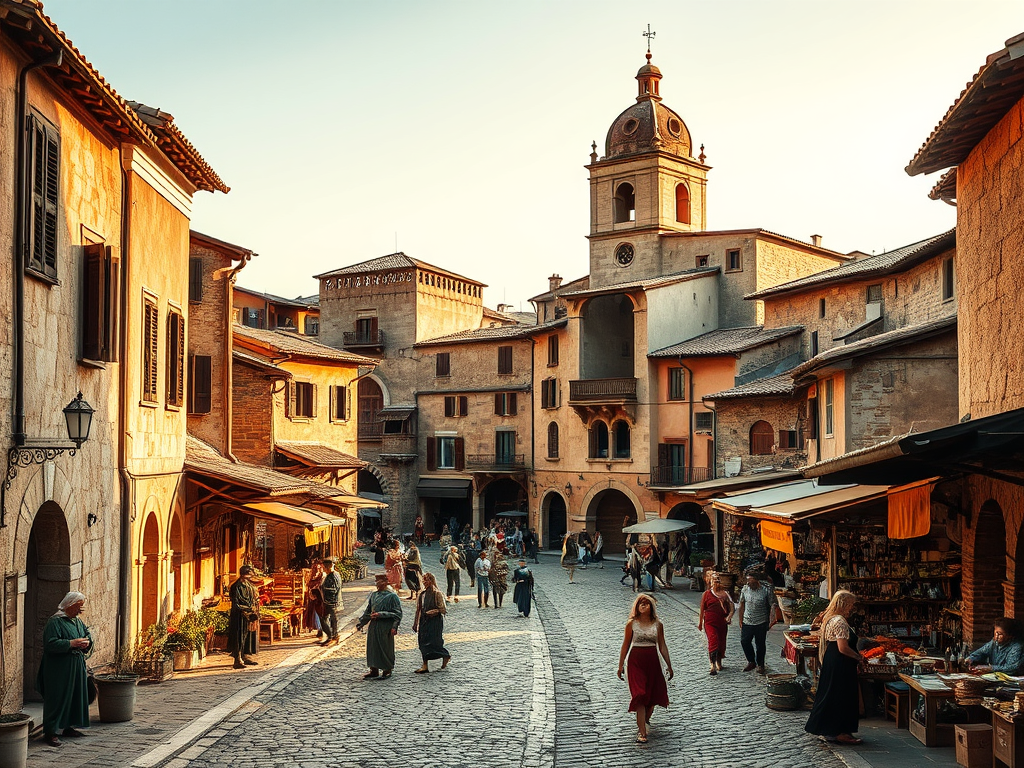
[Bajar para español.] Did you know that the Dalmatian language breathed its last in 1898 with the passing of its final speaker? Situated along the coast of Croatia in Dalmatia, this minority Romance language, a sister to Spanish, French, Portuguese, and Italian, found… Continue reading
-
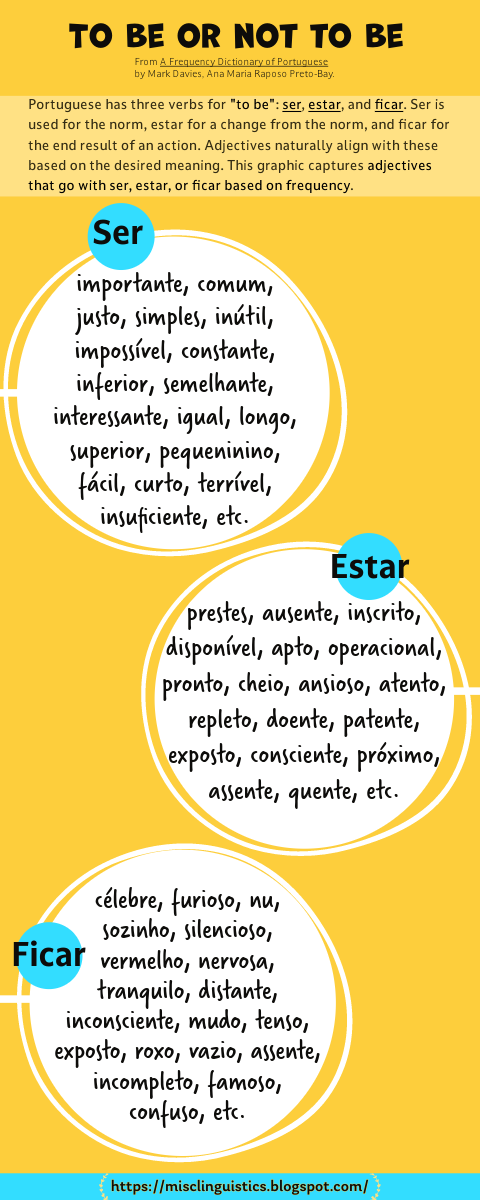
Ser ou não ser – To Be in Portuguese
[Bajar para español] —————————————- Continue reading
-
Practice Portuguese and Spanish with ChatGPT
[Bajar para español] —————————- —————————- I recently joined a webinar by participants of the Language Flagship Program, a US initiative sponsored by the National Security Education Program (NSEP) and implemented in partnership with my organization. It offers intensive language education… Continue reading

-
‘Pluma’, ‘Pen’, and ‘Feather’: A Shared Origin
[Défiler vers le bas pour la version en français] In Latin, a «feather» was known by two names: penna and pluma. As many of you know, «pluma» for pen may not work in many Spanish-speaking countries. Other words used in… Continue reading

-
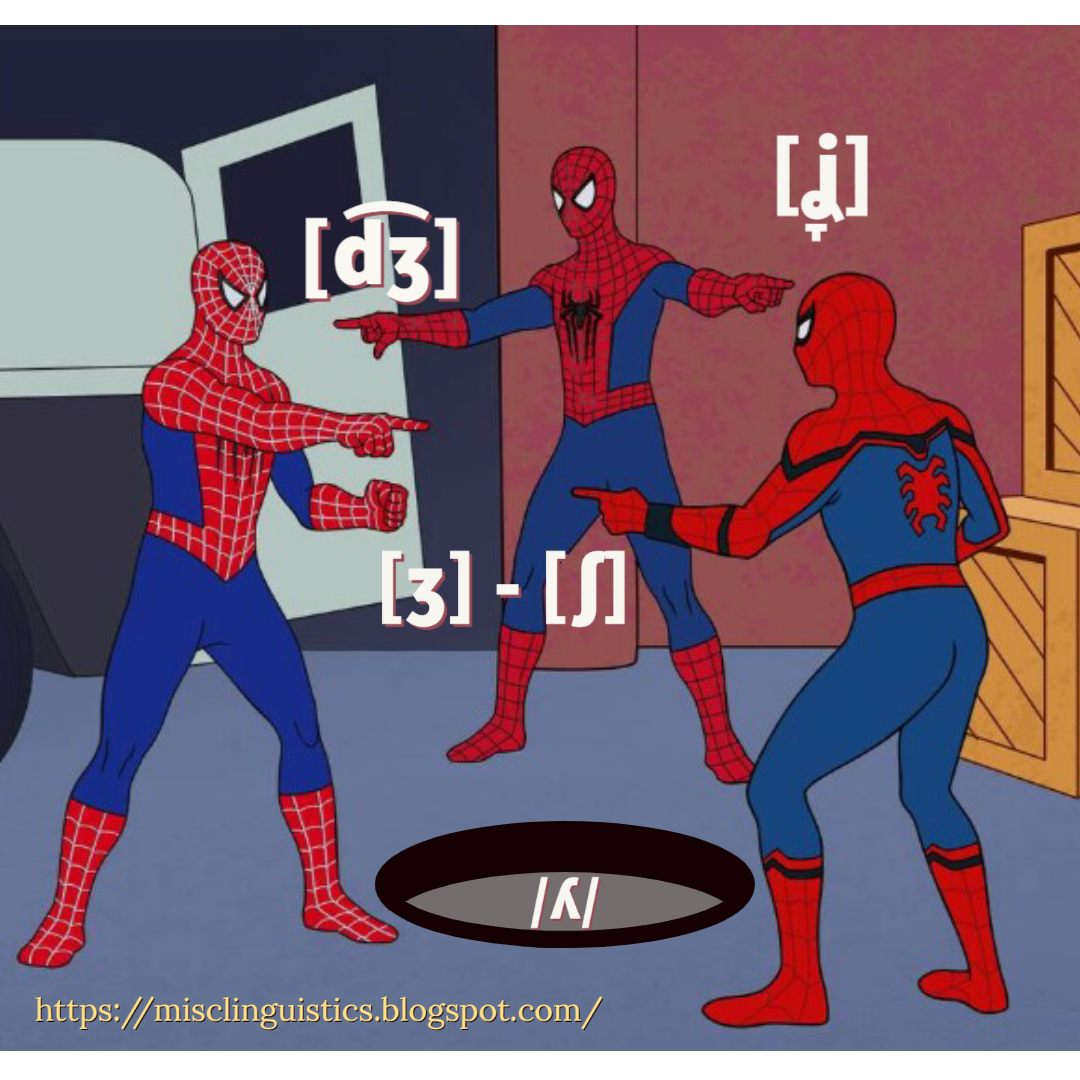
«Y» and «LL» Sounds Explained
[Bajar para español] This article has clickable sound files. Historically, Spanish distinguished between «y» and «ll». This contrast survives in some highland Andean areas (all of Bolivia, parts of Peru, Ecuador, Colombia, Chile, Argentina), in Guaraní-influenced areas like Paraguay, in… Continue reading
-
«Viniste-vinites» e implicaciones sociales
Hoy quiero compartir una conversación en Facebook donde mencioné que «veniste(s)» es tan común como la forma normativa «viniste». Un amigo bromeó diciendo que él usaba «vinites», pues sonaba más «elegante» y «vistosa. Esto me lleva a hablar sobre la… Continue reading

-
O >UE and E>IE Stem Changes in Spanish (Shoe Verbs)
[Bajar para español.] Why Are There Stem-Changing Verbs in Spanish? Short answer: Stem-changing verbs in Spanish originate from the historical evolution of Latin, where differences between long and short vowels influenced vowel transformations in stressed syllables. Long answer: In Latin, long vowels… Continue reading

-
La dama irreverente del sertanejo
Hace poco descubrí a esta gran artista del género sertanejo o caipira, equivalente en México a la música ranchera. Fallecida en 2015, dejó un legado imborrable en la cultura brasileña. Inezita fue empoderada mucho antes de que la palabra existiera… Continue reading

-
¡Tamaña historia de esta palabrita!
Después de un buen rato, regreso con el choro lingüístico del día de hoy – sí, día de hoy, aunque hoy ya venga del latín hodie < hoc die (este día). Porque si los franceses se dan el lujo de decir au jour d’hui —literalmente en… Continue reading
