language
-
Lesser-Known Romance Languages
[Bajar para español.] Did you know that the Dalmatian language breathed its last in 1898 with the passing of its final speaker? Situated along the coast of Croatia in Dalmatia, this minority Romance language, a sister to Spanish, French, Portuguese, and Italian, found… Continue reading

-
Cuando el español se cuela en tu inglés
Como hispanohablantes, nuestro aprendizaje del inglés sigue patrones que a veces ayudan, pero también generan transferencias negativas. Por ejemplo, omitimos palabras: “Today [it] is raining”, “She is [a] teacher”, “Explain [to] me what you said”. También confundimos estructuras: “I am… Continue reading

-
The Subjunctive Isn’t About Time (and That’s the Problem)
The subjunctive mood in Spanish expresses doubt, subjectivity, uncertainty, and hypothetical situations. It allows speakers to step outside of fact and into interpretation, adding nuance when talking about feelings, desires, reactions, or possibilities. Understanding how it works is essential for achieving fluency and… Continue reading
-
Conjunctions ‘Y’ and ‘O’ in Disguise
[Bajar para español.] The Spanish language, like many others, is a treasure trove of rules and exceptions that sometimes leave even its most seasoned speakers bewildered. One such linguistic quirk involves the conjunctions ‘y’ and ‘o,’ which take on different… Continue reading

-
Decoding Ser and Estar
[Bajar para español] See other topics that can be challenging for English-speaking learners, here. In Spanish, two crucial verbs, ser and estar, both translate to «to be» in English but serve different purposes. Understanding the distinction between them is essential… Continue reading

-
Why do we say «fui» for both «I went» and «I was» in Spanish?
[Bajar para español] To pave the way for a comparison between the shared simple past tense of “ir” and “ser”, let’s begin with the complex history of “ser”. Its origins combine Proto-Indo-European *h₁ésti (to be) and *bʰuH- (to become or… Continue reading

-
Avoid these Mistakes in Spanish
Here are some mistakes in Spanish that are common among English speakers. Right-click on the image and open in a separate tab for best resolution. Below the image, you will find some resources for the points covered in the infographic. … Continue reading

-
Origen de los signos ¡! y ¿?
El español no es el único idioma que usa los signos de exclamación/interrogación de apertura. Les mintieron; ¡no somos únicos! El choro lingüístico de hoy es patrocinado por la «Real Epidemia Española» (RAE), quien a mediados en 1754 ordenó que se utilizaran los… Continue reading

-
Decálogo de supervivencia urbana en Brasil
Pues hoy les vengo manejando lo que viene siendo esta jocosa parte II de un post que hice cuando estuve de vacaciones en Brasil. En esta ocasión no fui precisamente de vacaciones, pero igual aprendí cosas nuevas. Así que sirva… Continue reading

-
¿Rojo, pasta, gusanitos y cocos? ¡Orígenes compartidos impresionantes!
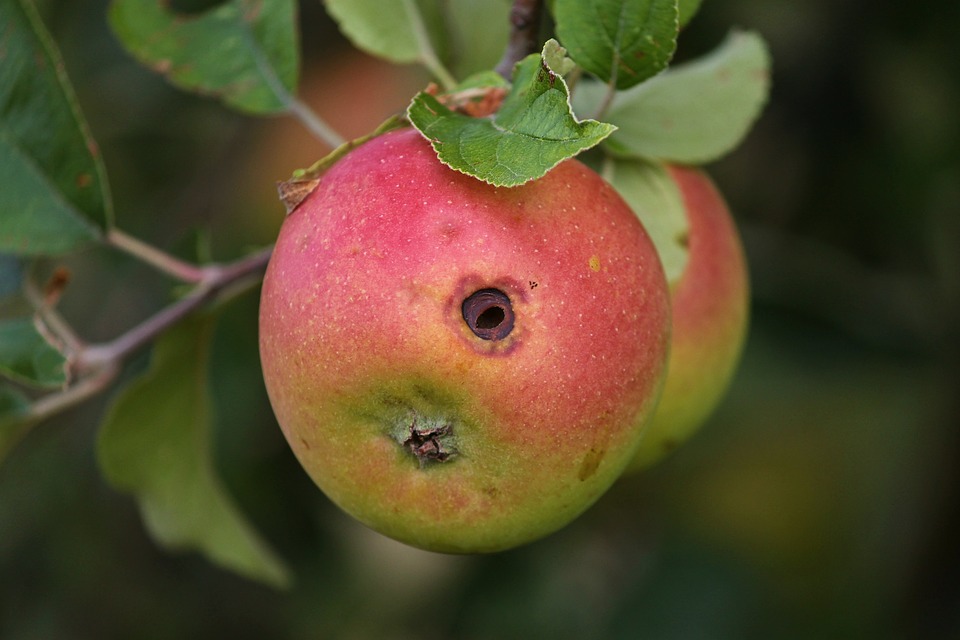
El choro lingüístico du jour: ¿Qué tienen que ver entre sí las palabras: rojo, pasta, gusanos y cocos? Pues resulta que en tiempos romanos y prerromanos, se creía que el color rojo era producido de una semilla (coccus, que quería… Continue reading
-
The Linguistics Odyssey: A Tale of College, Exams, and New Adventures
Ok. I’m beginning to blog again, after about two months of inactivity. Last time I blogged, I was in Tampico, teaching English at a high school and at a university. I was actually teaching for the language center under the… Continue reading