linguistics
-
The Hidden Logic of the Spanish Subjunctive
In the previous article we saw that the subjunctive is not really about time. What it signals is something subtler: the speaker’s distance from reality. Once you start looking at Spanish through that lens, something interesting happens. The long lists… Continue reading

-
Pronuncia el pasado en inglés con confianza
¿Te has preguntado, alguna vez, si el verbo «worked» se pronuncia “wórk-[ɪd]” con dos sílabas o “worked” con una sola? Entonces esto es para ti. Hoy veremos un truco sencillo para saber pronunciar adecuadamente los verbos regulares en inglés en… Continue reading

-
Decoding Ser and Estar
[Bajar para español] See other topics that can be challenging for English-speaking learners, here. In Spanish, two crucial verbs, ser and estar, both translate to «to be» in English but serve different purposes. Understanding the distinction between them is essential… Continue reading

-
Spanish Jugar and English Joke
As language learners, we often come across fascinating quirks and intricacies of the languages we study. One such example is the Spanish verb «jugar,» which holds a special place in the Spanish language. Did you know that «jugar» (yo juego,… Continue reading

-
One Clock, Two Grammars
Why do we say «es la una» but «son las dos» in Spanish… and yet in English everything collapses into “it’s one”, “it’s two”? It seems like a small inconsistency, but it raises a better question: what is each language… Continue reading

-
«Y» and «LL» Sounds Explained
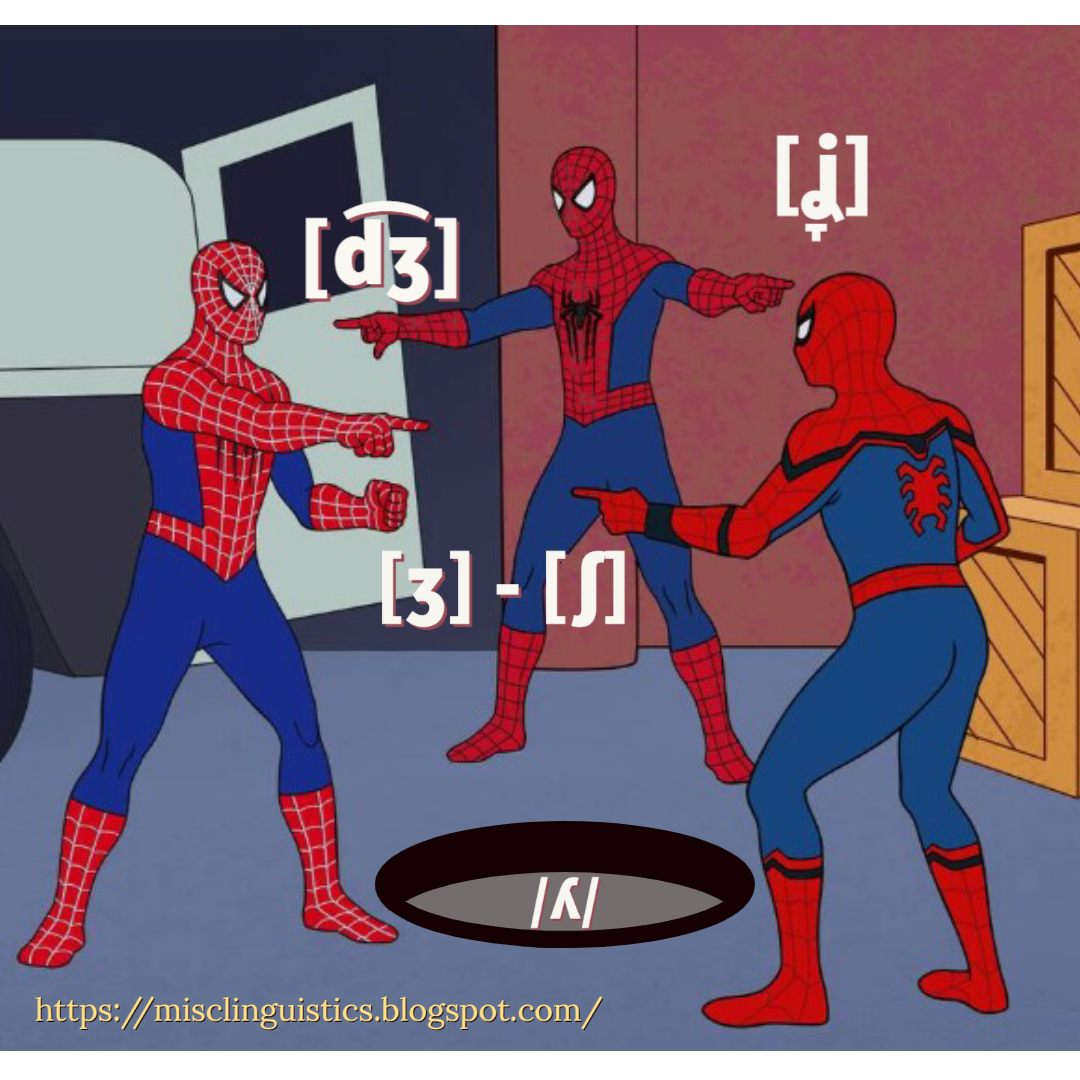
[Bajar para español] This article has clickable sound files. Historically, Spanish distinguished between «y» and «ll». This contrast survives in some highland Andean areas (all of Bolivia, parts of Peru, Ecuador, Colombia, Chile, Argentina), in Guaraní-influenced areas like Paraguay, in… Continue reading
-
«Viniste-vinites» e implicaciones sociales
Hoy quiero compartir una conversación en Facebook donde mencioné que «veniste(s)» es tan común como la forma normativa «viniste». Un amigo bromeó diciendo que él usaba «vinites», pues sonaba más «elegante» y «vistosa. Esto me lleva a hablar sobre la… Continue reading

-
Mistakes When Learning Brazilian Portuguese
For frequent mistakes in Spanish, click here. If you’re on your browser, open the below image in a separate tab for best resolution. Another frequent mistake by Portuguese language learners is the formation of plurals with words ending in -l – click the… Continue reading

-
Why do we say «fui» for both «I went» and «I was» in Spanish?
[Bajar para español] To pave the way for a comparison between the shared simple past tense of “ir” and “ser”, let’s begin with the complex history of “ser”. Its origins combine Proto-Indo-European *h₁ésti (to be) and *bʰuH- (to become or… Continue reading

-
O >UE and E>IE Stem Changes in Spanish (Shoe Verbs)
[Bajar para español.] Why Are There Stem-Changing Verbs in Spanish? Short answer: Stem-changing verbs in Spanish originate from the historical evolution of Latin, where differences between long and short vowels influenced vowel transformations in stressed syllables. Long answer: In Latin, long vowels… Continue reading

-
The Many Maybes of Spanish
Students often ask a simple question: “How do you say maybe in Spanish?” At first the answer seems obvious. Then you quickly realize something: Spanish does not really have just one way to say it. Instead, the language spreads that… Continue reading

-
Influência árabe na Península Ibérica
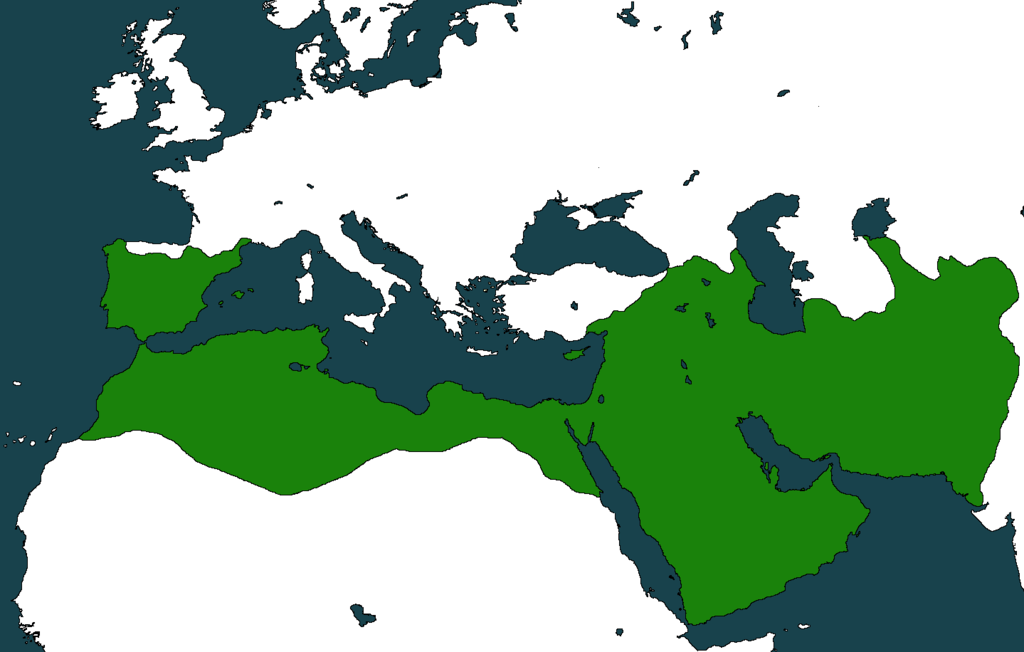
[Contenido en portugués – Content in Portuguese] [Bajar para español.] As palavras que começam com al- em português vêm do árabe? – Sim e não! Elas vêm do árabe quando a sílaba al- foi herdada do prefixo árabe al-, que… Continue reading
-
¡Tamaña historia de esta palabrita!
Después de un buen rato, regreso con el choro lingüístico del día de hoy – sí, día de hoy, aunque hoy ya venga del latín hodie < hoc die (este día). Porque si los franceses se dan el lujo de decir au jour d’hui —literalmente en… Continue reading
