French
-
Cuando las palabras cambian de equipo
La gramática nunca fue un conjunto de reglas «neutras». Lo que hoy consideramos «correcto» muchas veces fue decidido por autoridades —reyes, academias, élites— que impusieron sus normas como símbolo de prestigio. Como recordaba Bourdieu, la lengua también es capital simbólico:… Continue reading

-
Lesser-Known Romance Languages
[Bajar para español.] Did you know that the Dalmatian language breathed its last in 1898 with the passing of its final speaker? Situated along the coast of Croatia in Dalmatia, this minority Romance language, a sister to Spanish, French, Portuguese, and Italian, found… Continue reading
-
‘Pluma’, ‘Pen’, and ‘Feather’: A Shared Origin
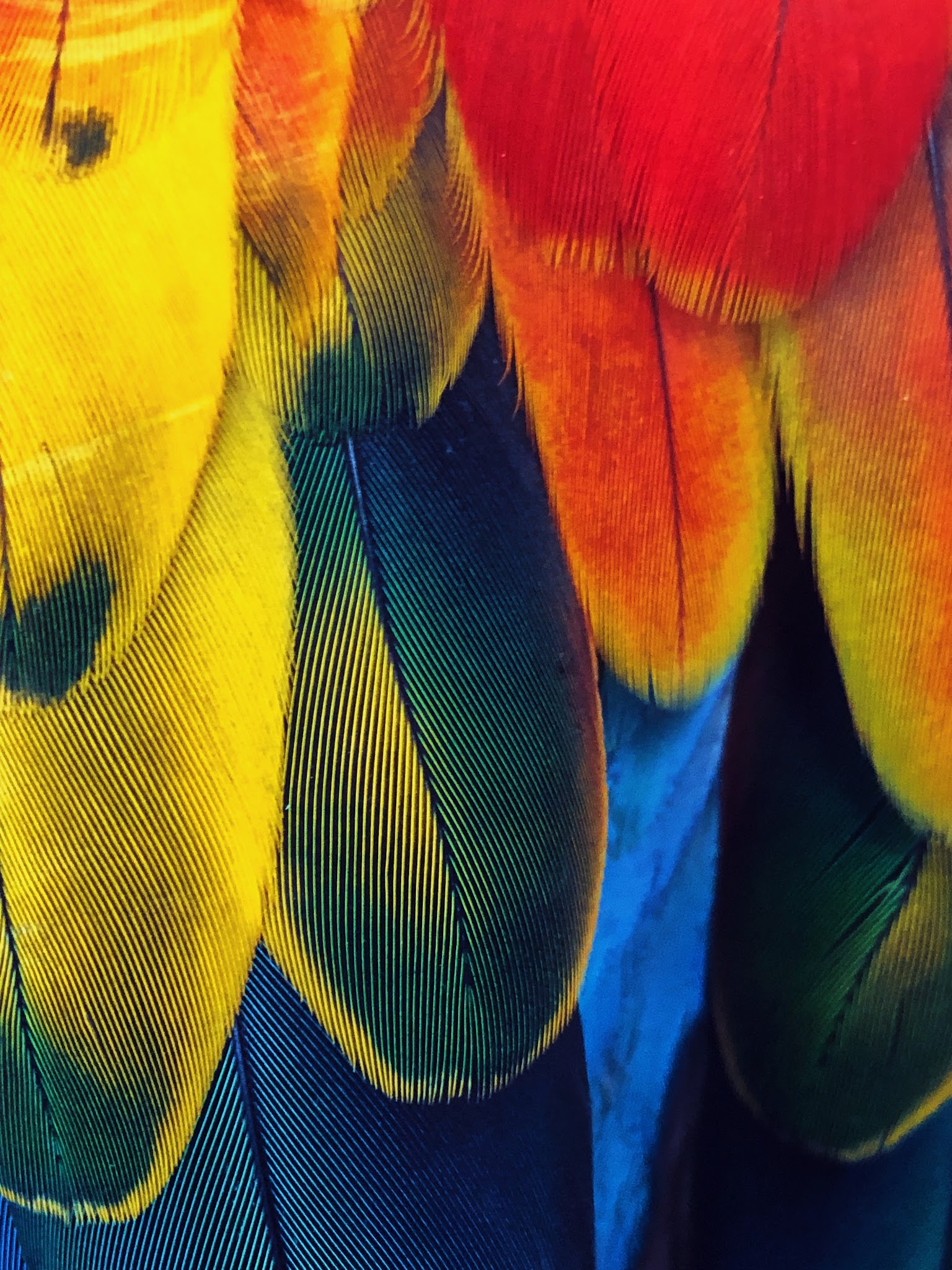
[Défiler vers le bas pour la version en français] In Latin, a «feather» was known by two names: penna and pluma. As many of you know, «pluma» for pen may not work in many Spanish-speaking countries. Other words used in… Continue reading
-
Why do we say «fui» for both «I went» and «I was» in Spanish?
[Bajar para español] To pave the way for a comparison between the shared simple past tense of “ir” and “ser”, let’s begin with the complex history of “ser”. Its origins combine Proto-Indo-European *h₁ésti (to be) and *bʰuH- (to become or… Continue reading

-
O >UE and E>IE Stem Changes in Spanish (Shoe Verbs)
[Bajar para español.] Why Are There Stem-Changing Verbs in Spanish? Short answer: Stem-changing verbs in Spanish originate from the historical evolution of Latin, where differences between long and short vowels influenced vowel transformations in stressed syllables. Long answer: In Latin, long vowels… Continue reading
